
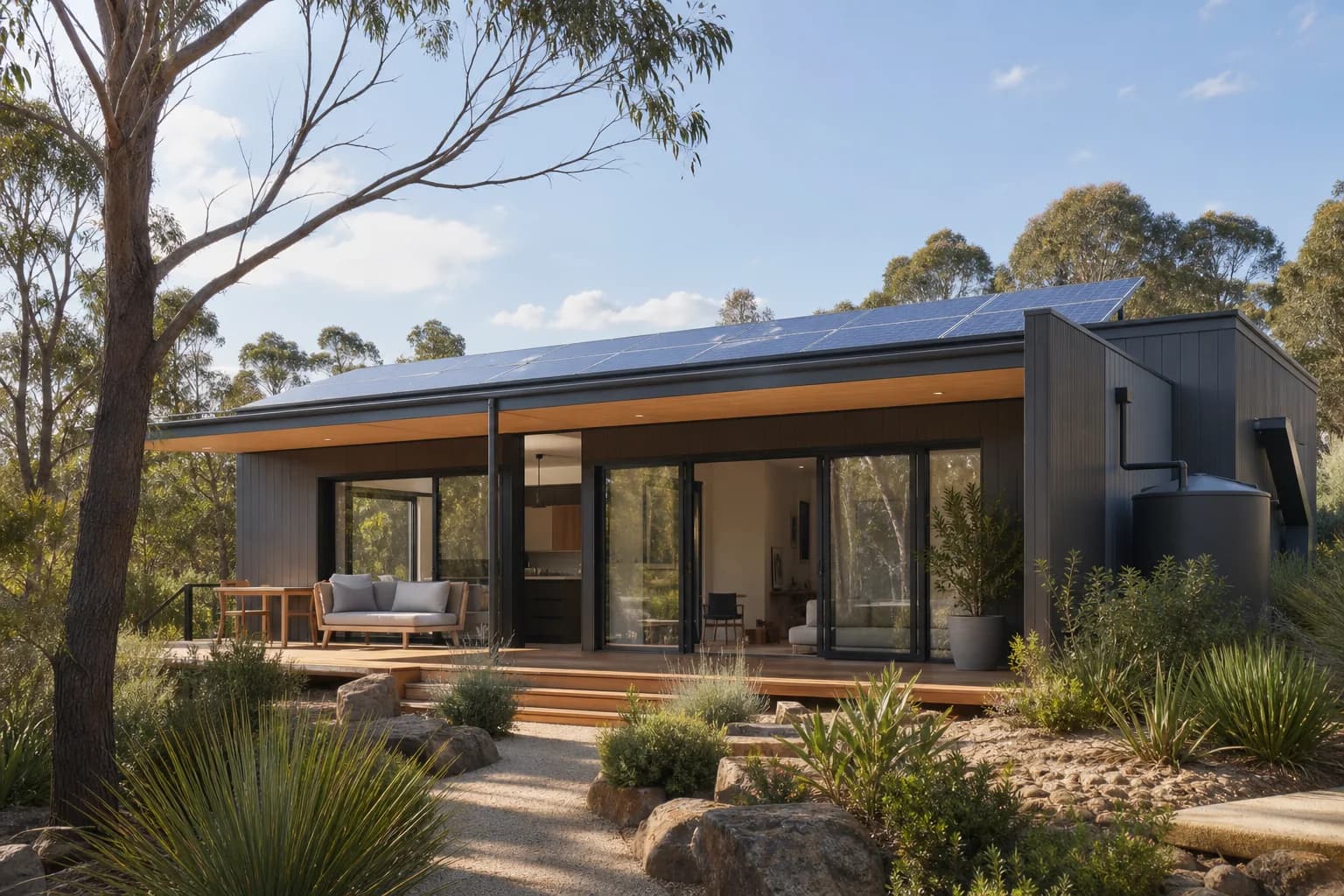
Between choosing a floor plan and lodging an approval application, many first-time modular-home buyers in NSW encounter an unfamiliar acronym: BASIX.
BASIX is the Building Sustainability Index. It sets sustainability requirements for applicable residential development in NSW and records the commitments that must be reflected in the approved design and completed building. This guide explains where BASIX fits and what it can mean for a modular project.
This is general information only. Confirm the current requirements for a specific development with the local council, certifier and suitably qualified building-sustainability professional.
What is BASIX?
BASIX assesses whether a residential project satisfies the applicable NSW standards for:
- 01water use
- 02energy use
- 03thermal performance
The standards are prescribed under the State Environmental Planning Policy (Sustainable Buildings) 2022. The applicable targets depend on factors including the project type and location.
A BASIX certificate records the project details, assessment result and commitments. Those commitments need to match the plans submitted for approval and the completed work.
Does BASIX apply to a modular home or granny flat?
BASIX applies according to the type and scope of development, not simply the construction method. A factory-built or modular home is not exempt merely because most construction occurs off site.
A new permanent dwelling or secondary dwelling will generally need BASIX documentation where it is a BASIX development. The certificate forms part of the relevant approval process, whether the project proceeds through a CDC or DA.
Read our companion guide to CDC and DA pathways for modular homes in NSW if you are still working out which approval route may apply.
What does BASIX assess?
Water
The water assessment considers fixtures, appliances, landscaping and alternative water sources such as rainwater systems. The required standard depends on the project location.
Energy
The energy assessment considers the expected energy use and project features, including efficient equipment and renewable-energy systems where proposed.
Thermal performance
Thermal performance considers how the building fabric and design affect heating and cooling loads. Orientation, insulation, glazing, shading, ventilation and construction materials can all influence the result.
For a modular project, these decisions should be tested before the design is locked for manufacture. Moving a window or changing an eave is far simpler during design than after factory production begins.
Who prepares a BASIX certificate?
The project team may use the NSW BASIX tool and, depending on the chosen thermal-performance method and project complexity, engage an accredited assessor or other suitably qualified professional.
The inputs must reflect the actual project, including its site, orientation, plans, materials and fixtures. A certificate from another site or a generic display model cannot simply be reused.
Where BASIX fits in the project timeline
- Step 01Confirm the site and approval pathway. Establish the property constraints and whether the proposal may use CDC or requires a DA.
- Step 02Develop the site-specific design. Settle orientation, glazing, shading, construction systems and key fixtures.
- Step 03Complete the BASIX assessment. Produce the certificate and commitments for the actual project.
- Step 04Coordinate the approval documents. Ensure the drawings and specifications match the BASIX commitments before lodging.
- Step 05Carry the commitments through construction. The installed materials, fixtures and systems need to reflect the approved documentation.
Starting BASIX coordination before manufacturing details are finalised reduces the risk of late design changes.
Common BASIX mistakes
- 01assuming a compact dwelling is automatically exempt
- 02treating a display model's sustainability result as transferable to another site
- 03completing the assessment before the final orientation and glazing are known
- 04allowing architectural drawings and BASIX commitments to become inconsistent
- 05changing fixtures or construction materials without checking the effect on compliance
How ModuHaus approaches BASIX
ModuHaus is a guidance and sourcing platform, not a BASIX assessor or certifier. We help customers understand where sustainability documentation sits in the broader modular-home process so it can be raised with the supplier and project professionals early.
Use the Planning Assessment to clarify the intended use and site context, or read the Council and Approvals guide for a broader overview of approval considerations.
Frequently asked questions
Does a small secondary dwelling still need BASIX?
Size alone does not create a general exemption for a new residential development. Confirm whether the specific proposal is a BASIX development with the council or certifier.
Is BASIX only required for a DA?
No. Where BASIX applies, its documentation is relevant to the approval application whether the project proceeds through a CDC or DA.
Can a modular-home supplier reuse one BASIX certificate for every site?
No. The assessment and certificate need to reflect the actual project, including the site, orientation, plans, materials and selected systems.
What happens if a design does not meet the applicable standard?
The design team can test changes to elements such as glazing, insulation, shading, fixtures or energy systems. These changes should be coordinated across the certificate, drawings and specifications.
Should BASIX be completed before selecting a modular model?
You can compare models first, but the site-specific assessment should occur before the design is released for manufacture. Early checks help identify whether the selected model needs changes for its orientation and location.
Key takeaways
- 01BASIX assesses water use, energy use and thermal performance for applicable NSW residential development.
- 02Modular construction does not create an automatic exemption.
- 03The certificate must reflect the actual site-specific design and approval documents.
- 04Orientation, glazing, insulation and shading should be considered before manufacture.
- 05Confirm the current requirements with the council, certifier and suitably qualified project professionals.
Sources and further reading
Requirements change and can be applied differently by site and local authority. Check the current official sources and confirm your project with the relevant council, certifier or qualified professional.