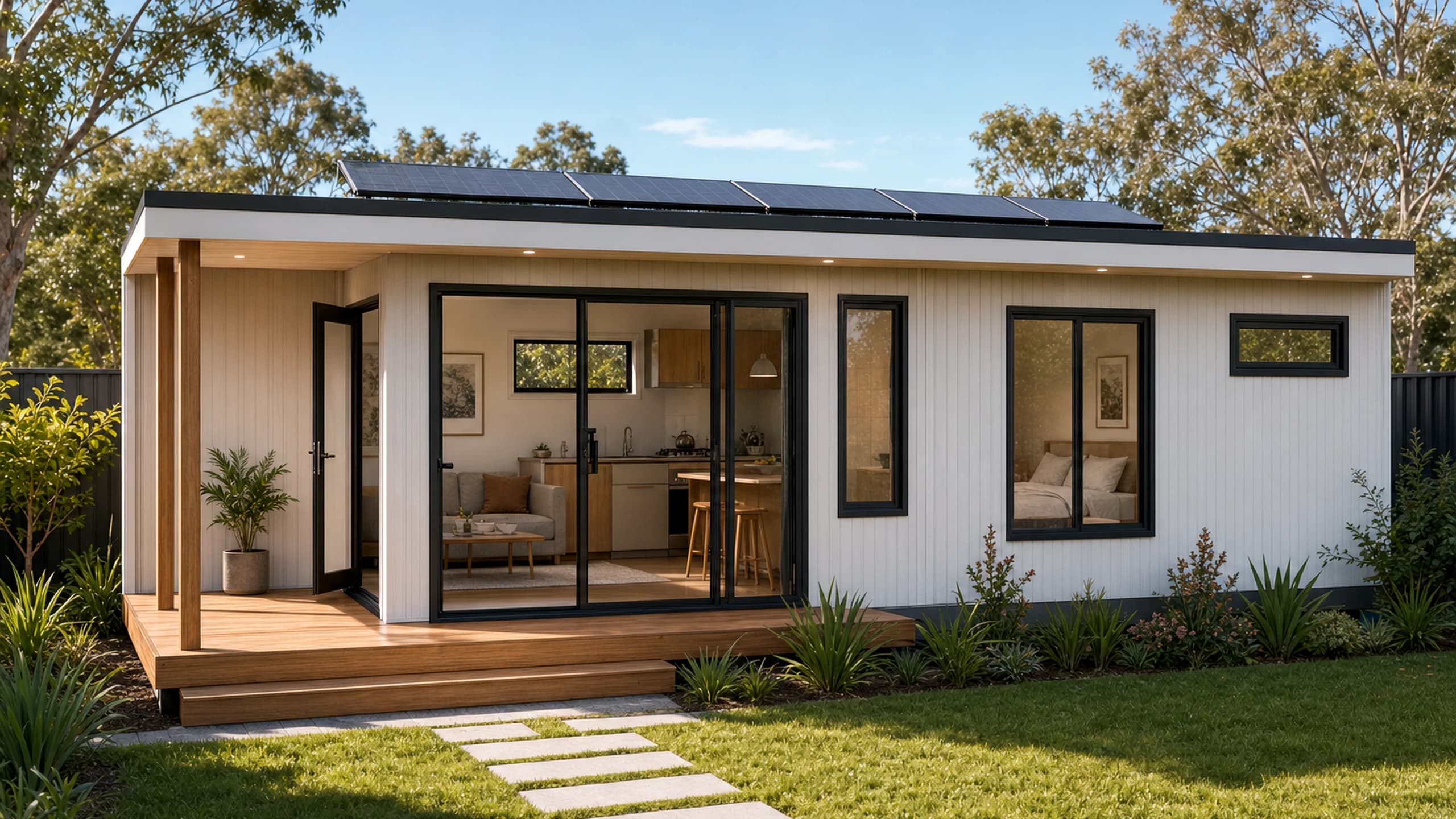
Illustrative modular accommodation in a rural setting; not evidence of an installed off-grid system or completed remote-site project.

For remote property and site operators

Portable Cabins for Remote Accommodation

A remote accommodation brief starts with people, access and services, not just a transportable cabin. Compare layouts against the delivery route, available energy, water, wastewater and the people responsible for maintaining the installed accommodation.

Is a portable cabin automatically ready for a remote or off-grid site?

No. Remote describes location; off-grid describes the service arrangement. A remote property may have grid power, while a disconnected property needs separately designed energy, water and wastewater systems. Compare the selected cabin's written interfaces and inclusions with the actual occupancy, climate, access and maintenance brief before purchasing. Transportability alone does not establish off-grid capability or mine-site suitability.

Content and source links checked 28 September 2026. Product suitability and site approvals remain project-specific. Setting images are illustrative, not completed-project evidence.

Define the accommodation brief

Occasional rural stays

Define how often the cabin will be occupied and how it will be checked between visits. Review water quality, shutdown and restart procedures, security and access after wet weather rather than assuming occasional use means minimal servicing.
Ongoing worker accommodation

Record peak occupancy, roster overlap, length of stay, privacy, cooking, washing and storage needs. Specify private or shared bathrooms and laundry arrangements. Bedroom count alone is not a certified worker capacity.

Remote visitor accommodation

Consider guest arrival, communications, cleaning turnaround and assistance when staff are not on site. Review delivery and maintenance access separately from the ordinary guest route; scenic placement does not demonstrate operational readiness.

Cabin options to compare

These are product starting points, not pre-approved site recommendations. Open each product for its floor plans, inclusions, starting-price scope and evidence notes.

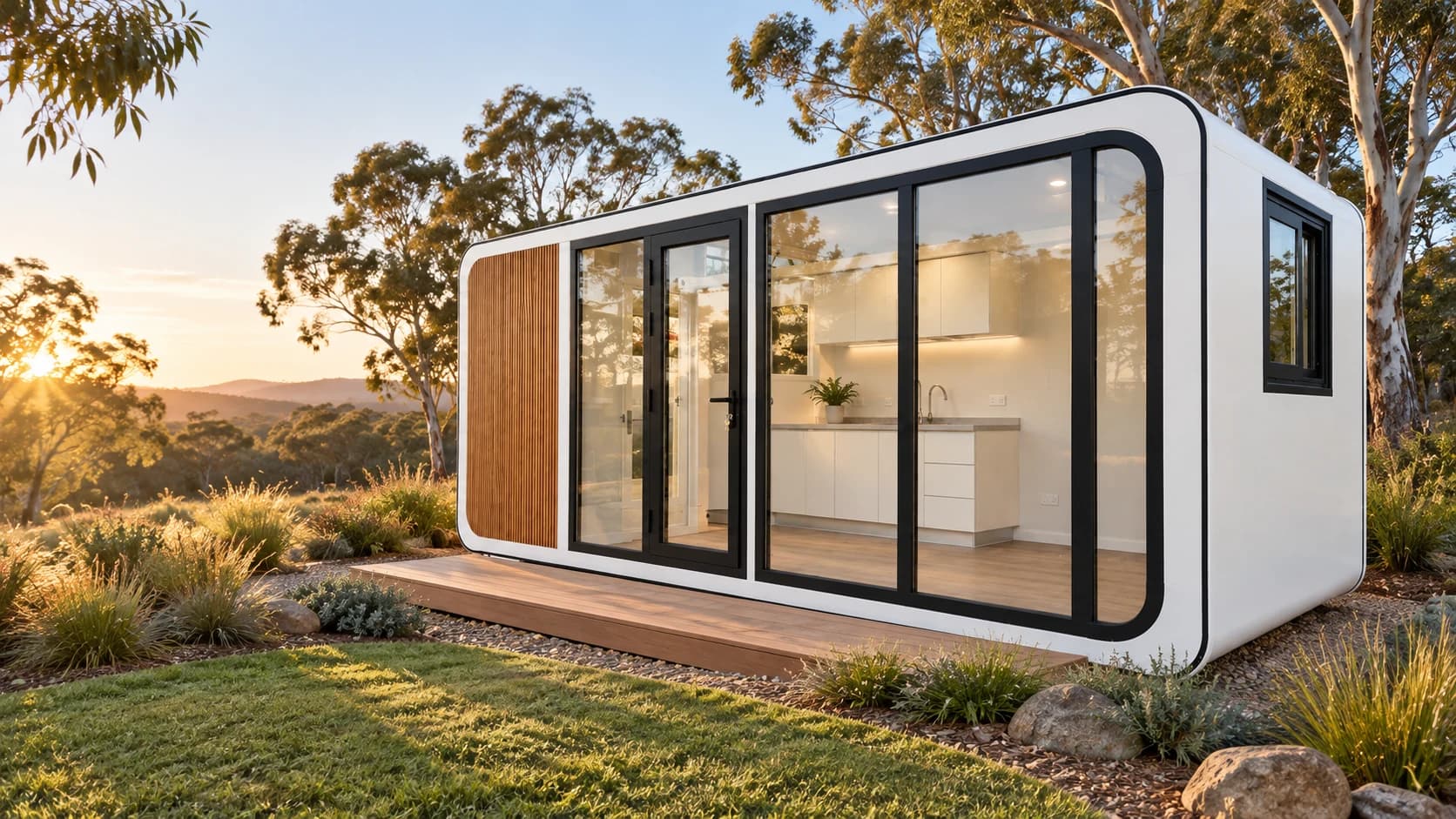
Illustrative exterior of The Halo 20 portable studio pod with a rounded glazed facade

The Halo 20

From $18,000 AUD

Preliminary product price

A compact single-piece studio to compare where a smaller accommodation layout is the starting point.

Confirm the transported dimensions against the full route and the bathroom, kitchenette and electrical interfaces against the available services.

View product and floor plans
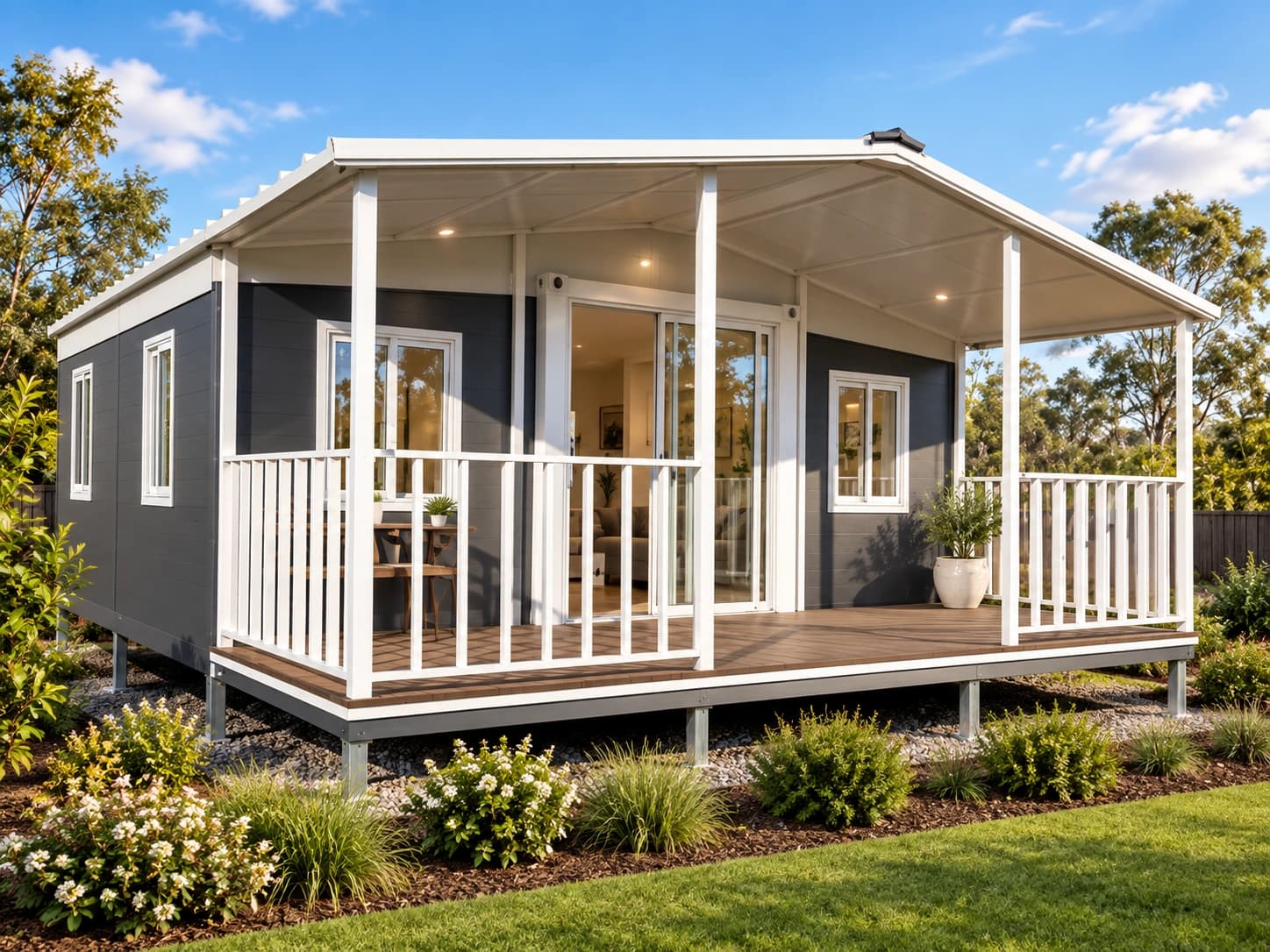
The Span 30 expandable modular home exterior by ModuHaus

The Span 30

From $55,000 AUD

Preliminary product price

An expandable format to compare where separate sleeping spaces matter to the occupancy brief.

Review the exact floor plan, expanded placement area, installation scope and delivery dimensions; a compact transport format does not remove access constraints.

View product and floor plans
The Horizon 40 expandable modular home exterior by ModuHaus

The Horizon 40

From $58,500 AUD

Preliminary product price

A larger expandable alternative to assess when greater layout separation is needed.

Confirm the selected bathroom arrangement, prepared site area and service demand with your advisers; extra floor area does not establish certified occupancy.

View product and floor plans

Bathrooms, services and everyday operation

Energy and seasonal demand

Prepare an appliance and usage brief covering cooking, heating, cooling, hot water, lighting and pumps. Have grid capacity or a separate energy system assessed against seasonal conditions and occupancy. No battery size, generator runtime or autonomous operating period is promised by a cabin listing.

Water supply and quality

Identify the actual supply, storage, intended uses, treatment and maintenance responsibilities. YourHome's rainwater guidance discusses sizing and water quality; it does not confirm a particular property's supply. Rainwater collection equipment and tanks are not assumed product inclusions.

Wastewater and supporting facilities

Confirm sewer availability or a separately assessed on-site arrangement for toilets, showers and kitchen wastewater. Review soil, site capacity and servicing with qualified advisers. An additional toilet-and-shower unit adds a facility, not treatment capacity.

Plan delivery and occupation

Review the entire freight route

Provide gate widths, bends, overhead obstructions, bridge or road limits and the final track condition for transport review. Confirm the actual product transport dimensions and lifting plan before accepting a delivery proposal.

Separate placement from transport

The ability to reach a property does not establish a usable installation area. Review ground conditions, drainage, supports, expanded footprint and site-specific exposure with the appropriate advisers before positioning a cabin.

Plan servicing before occupation

Agree access for plumbers, electricians, maintenance and wastewater servicing, together with spare parts, response arrangements and commissioning responsibilities. A remote location can make small failures difficult to resolve; do not rely on the delivery date as proof of readiness.

Product price is not the installed project budget

Use the current product-page starting price as a reference, then request an itemised scope. Do not infer rental income, occupancy or investment returns from the cabin price.

Compare product and project costs
  • Selected cabin, floor plan and written supply inclusions.
  • Remote freight, route assessment, lifting, supports and site works.
  • Separately scoped energy, water, hot water and wastewater systems.
  • Installation, documentation, commissioning, maintenance travel and servicing.

Confirm the site pathway

Confirm the property, intended use and required planning, building, installation and service pathways with the relevant council and qualified advisers. Remote location and portability do not create an exemption. For mining accommodation, obtain a separate procurement and technical brief: site conditions, structural and fire documentation, operating requirements and supplier evidence need review. The products shown here are not represented as mine-site certified accommodation.

Explore state and council starting points

Questions before choosing a cabin

What is the difference between remote and off-grid accommodation?

Remote refers to location and access. Off-grid refers to service arrangements, such as a separately designed energy or water system. They are not interchangeable: a remote site may be connected, and a transportable cabin is not automatically supplied with autonomous services.

Can portable cabins be assessed for remote worker accommodation?

Yes, as a starting point for a project review, not a pre-approved recommendation. Confirm the actual floor plan, proposed occupancy, stay duration, private or shared facilities, services and applicable site requirements with your advisers.

Does the cabin price include solar, batteries, tanks and wastewater treatment?

Do not assume those systems are included. Read the selected product's pricing scope and request a written inclusions schedule, service interfaces and an itemised installed project quote. No autonomous operating capacity is established by the starting price.

Are these cabins certified for mine-site accommodation?

This page does not establish mine-site certification or suitability. A mining proposal needs a separate technical and procurement review against site conditions, intended use, structural and fire documentation, operating requirements and current supplier evidence.

What information is needed for a remote delivery review?

Provide the site location, route photos, gates, bends, overhead constraints, road or bridge limits, final track condition and proposed placement area. Confirm the selected cabin's transport dimensions and lifting plan with the transport and installation team.

Bring the site brief to the first conversation

  • Location, intended visitor or worker use and actual occupancy pattern.
  • Route photographs, access dimensions and proposed placement information.
  • Available power, water and wastewater arrangements plus written system scope.
  • Servicing responsibilities, climate and seasonal access constraints, and intended timing.
Discuss your accommodation project